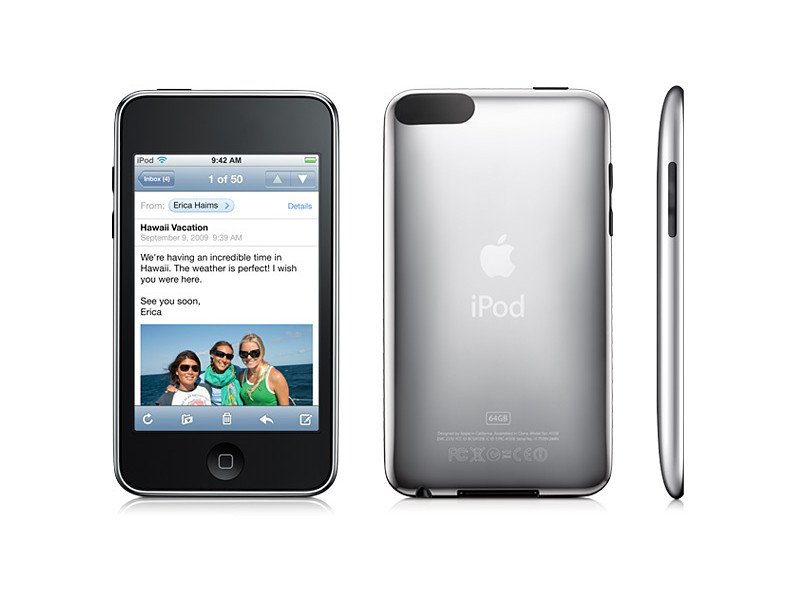
The iPod Touch 6th Gen sat in a unique, sometimes perplexing, spot in Apple's lineup: a sleek, powerful iOS device without a phone plan. For many, it was the perfect entry point into Apple's ecosystem, a gaming powerhouse, or a dedicated media player. But how did it really stack up against its siblings—other iPods and, more importantly, its spiritual twin, the iPhone? This deep dive into the iPod Touch 6th Gen Comparison: Other iPods & iPhones will cut through the noise, helping you understand its strengths, weaknesses, and enduring appeal.
When the 6th-generation iPod Touch launched in July 2015, it was a significant leap from its predecessor, finally bringing modern iPhone-level power to the iPod line. Yet, it remained distinctly not an iPhone, a distinction that defined its purpose and its audience.
At a Glance: What Made the iPod Touch 6th Gen Stand Out (and Fall Short)
- iPhone 6-level Power, iPod Price: Packed the A8 chip and M8 motion coprocessor, matching the iPhone 6/6 Plus for raw performance—a huge upgrade from the 5th Gen's A5.
- Photography Prowess: Upgraded to an 8MP iSight camera and a 1.2MP FaceTime HD camera, making it a viable pocket shooter.
- Wi-Fi Only, Always: Its defining characteristic: no cellular modem. This meant no phone calls (unless via VoIP/FaceTime over Wi-Fi) and no mobile data.
- Slim & Light: Consistently thinner and lighter than contemporary iPhones.
- Budget-Friendly iOS: A significantly lower price point than any iPhone, making iOS accessible without a contract.
- No Biometrics or Advanced Haptics: Lacked Touch ID, Face ID, 3D Touch, NFC, or GPS, features increasingly common on iPhones.
- Lightning Connector: Adopted the modern, reversible Lightning port, ditching the older 30-pin dock connector found on classic iPods.
The Genesis of the iPod Touch: Apple's Wi-Fi Wonder
Before diving into the 6th Gen's specifics, it's crucial to understand the iPod Touch's role in Apple's universe. Introduced in September 2007, just months after the original iPhone, it was essentially an iPhone stripped of its cellular capabilities. It was a portable media player, a handheld gaming device, a web browser, and an email machine—all over Wi-Fi.
The iPod Touch line was Apple's way to bring the revolutionary iOS experience to a broader audience who might not want or need an expensive phone contract. It amassed impressive sales, exceeding 100 million units by 2013, before smartphones became ubiquitous and more affordable. While the line eventually ended in 2022 with the discontinuation of the 7th-gen model, the 6th Gen represents a sweet spot of modern performance for its era.
iPod Touch 6th Gen vs. Its iPod Ancestors: A Generational Leap
The iPod Touch 6th generation, launched eight years into the line's history, marked a pivotal moment. It wasn't just an incremental update; it was a substantial overhaul that dragged the iPod Touch into the modern performance era.
Shifting from the 5th Gen: Power & Prowess
Prior to the 6th Gen, the 5th-generation iPod Touch (released 2012) had languished with an aging A5 chip. By 2015, this chip was four generations behind the iPhones of the day. The 6th Gen rectified this dramatically:
- Processor: The biggest upgrade. The 6th Gen sported the A8 chip with M8 motion coprocessor, the same silicon found in the iPhone 6 and iPhone 6 Plus. This meant a massive leap in raw CPU performance (up to 6x faster than the 5th Gen's A5) and GPU performance (up to 10x faster). Apps launched quicker, games ran smoother, and iOS felt far more responsive.
- Camera: The 5th Gen had a 5MP iSight camera. The 6th Gen bumped this to an 8MP iSight camera (the same as the iPhone 5c/5s), capable of 1080p video recording. The FaceTime HD camera also improved to 1.2MP. For the first time, an iPod Touch offered genuinely good photographic capabilities.
- iOS Support: With its A8 chip, the 6th Gen received significantly longer software support than the 5th Gen. While the 5th Gen maxed out at iOS 9, the 6th Gen went all the way to iOS 12, offering years of continued app compatibility and security updates. This prolonged lifespan made it a more valuable long-term investment for many.
- Internal Storage: The 6th Gen maintained similar storage tiers, but the performance boost was the real story.
- Design: Physically, the 6th Gen was nearly identical to the 5th Gen – the same slim aluminum unibody, 4-inch Retina display, and range of vibrant colors. The lack of a rear-facing camera on the initial 16 GB model of the 5th Gen was also gone; all 6th Gen models had both front and rear cameras.
Leaving Behind the Classics: iPod Nano & Shuffle
Comparing the 6th Gen iPod Touch to the iPod Nano or Shuffle is almost comparing apples to...well, entirely different Apples. The Nano and Shuffle were primarily single-purpose devices—pure music players—whereas the iPod Touch was a full-fledged iOS computer.
- Operating System: Nano and Shuffle ran proprietary Apple firmware, offering basic features like music playback, podcasts, and sometimes FM radio. The 6th Gen iPod Touch, however, ran iOS, giving it access to the App Store, web browsing, email, games, and advanced media consumption.
- Connectivity: Nano and Shuffle relied on a wired connection to a computer for content sync. The 6th Gen Touch offered Wi-Fi for internet access, app downloads, and over-the-air content sync.
- Screen & Interaction: Nano had a small touchscreen, Shuffle had buttons. The 6th Gen Touch had a 4-inch multi-touch Retina display and a virtual keyboard, offering a vastly richer interactive experience.
- Capabilities: The classic iPods were media players. The iPod Touch was a pocket computer that also played media. It could run Spotify, Netflix, YouTube, Instagram, and thousands of games, none of which were possible on a Nano or Shuffle.
The 6th Gen iPod Touch, along with its 5th and 7th Gen siblings, were the last products in Apple's iPod line after the Nano and Shuffle were discontinued in July 2017. The entire iPod product line eventually ended in May 2022.
iPod Touch 6th Gen vs. iPhones: The Wi-Fi Only Clone
This is where the comparison gets most interesting and often most confusing. The iPod Touch, particularly the 6th Gen, looked almost identical to contemporary iPhones, ran the same iOS, and could handle most of the same apps. Yet, critical differences shaped its utility and target audience.
Hardware Differences: The Cost of Being Connected
The most significant distinction between the iPod Touch 6th Gen and iPhones (like the iPhone 6/6 Plus released a year earlier, or the iPhone 6S/6S Plus released a couple months after) boils down to a single component: the cellular modem.
- No Cellular Connectivity: This is the big one. The 6th Gen iPod Touch could only connect to the internet via Wi-Fi. This meant:
- No Mobile Data: You couldn't browse the web, stream music, or use location-based services outside of Wi-Fi range.
- No Direct PSTN Calls: It couldn't make traditional phone calls. However, it could make VoIP calls (FaceTime Audio, WhatsApp calls, Skype) over Wi-Fi. With iOS 8 or newer, it could also forward and receive standard calls through a separate iPhone linked to the same Apple ID.
- No Built-in GPS: Crucially, it lacked a dedicated GPS chip. Location services relied solely on Wi-Fi positioning, which is less accurate and non-existent without a network. iPhones, by contrast, had precise GPS.
- Biometric Authentication (or lack thereof): Contemporary iPhones (from the 5S onwards) featured Touch ID. The iPod Touch 6th Gen, like all iPod Touch models, never included biometric authentication. You had to rely on a passcode.
- 3D Touch: Introduced with the iPhone 6S shortly after the 6th Gen Touch, 3D Touch (and later Haptic Touch) provided pressure-sensitive input. The iPod Touch line never adopted 3D Touch or similar haptic feedback technologies.
- NFC (Near Field Communication): iPhones from the 6/6 Plus onwards included NFC for Apple Pay. The iPod Touch 6th Gen did not have NFC, so no tap-to-pay functionality.
- Other Missing Features: To keep costs down and maintain its slim profile, the 6th Gen iPod Touch also omitted an earpiece speaker, a noise-cancelling microphone, and an ambient light sensor (for automatic brightness adjustment). iPhones had all of these.
- Size and Weight: The iPod Touch 6th Gen was remarkably thin (6.1mm) and light (88g) compared to the iPhone 6S (7.1mm, 143g) or 6S Plus (7.3mm, 192g). This made it incredibly portable and pocketable.
Software Similarities & Limitations: iOS at its Core
Despite the hardware differences, the 6th Gen iPod Touch ran the exact same iOS as iPhones of its generation. This was its greatest strength.
- Full iOS Experience: You had access to the App Store with millions of apps, including popular social media, streaming services, games, productivity tools, and more. Safari, Mail, Music, Videos, Photos, iMessage, FaceTime—all were present and functional over Wi-Fi.
- Gaming Powerhouse: With the A8 chip, the 6th Gen was a formidable gaming device, running graphically intensive titles that would be right at home on an iPhone. For many kids and casual gamers, it was a console-level experience in their pocket.
- iMessage and FaceTime: These core communication tools worked seamlessly over Wi-Fi, allowing you to stay connected with iPhone-owning friends and family without a phone plan.
- Siri: Integrated as standard, offering voice commands and information retrieval over Wi-Fi.
- Wireless Setup: Unlike earlier iPod Touch models that required a computer for initial setup, the 6th Gen, running iOS 8 out of the box, could be set up wirelessly, just like an iPhone.
Price & Target Audience: The Great Divide
The most compelling argument for the iPod Touch 6th Gen was its price. It was significantly cheaper than any new iPhone, making it an attractive option for:
- Kids and Teens: A first "smart device" that granted access to apps, games, and communication with friends (via iMessage/FaceTime/social media) without the responsibilities and costs of a cellular plan.
- Dedicated Media Players: For those who wanted a high-quality, modern device solely for music, podcasts, and video playback on the go, especially for exercising or commuting where a bulky phone might be inconvenient.
- Gaming Enthusiasts: A powerful handheld console for mobile games.
- Budget-Conscious Consumers: A way to experience the Apple ecosystem and its vast app library without breaking the bank on an iPhone.
- Wi-Fi-Centric Users: People who spent most of their time in Wi-Fi zones (home, office, school) and didn't need constant cellular connectivity.
You can delve deeper into its specific capabilities and features in All about iPod touch 6th generation.
iPod Touch 6th Gen vs. Its Successor: The 7th Gen (2019)
The iPod Touch 6th Gen had a surprisingly long run, being the current model from 2015 until the 7th-generation iPod Touch was released in May 2019. The 7th Gen was essentially a modest internal upgrade with the same external design.
- Processor: The 7th Gen received the A10 Fusion chip (from the iPhone 7/7 Plus), a bump up from the 6th Gen's A8. This offered further performance improvements, particularly for augmented reality (AR) apps and more demanding games.
- iOS Support: The A10 chip allowed the 7th Gen to support iOS 15, whereas the 6th Gen topped out at iOS 12. This extended its longevity significantly in terms of software updates.
- Storage Tiers: The 7th Gen introduced a new 256GB storage option, catering to users with massive media libraries.
- No Other Major Changes: Crucially, the 7th Gen retained all the core limitations of the iPod Touch line: no cellular, no Touch ID, no GPS, no NFC, same external design, same camera specs. It was primarily a "specs bump" to keep the line viable for a few more years.
So, while the 7th Gen offered better performance and longer software support, the 6th Gen still offered a very similar user experience and most of the same core functionality, albeit with older hardware.
Practical Guidance: Should You Still Consider a 6th Gen Today?
While the iPod Touch line is officially discontinued, and the 6th Gen is a few years out of date, it still holds some niche appeal. However, it's crucial to weigh its limitations.
The Appeal: Why the 6th Gen Might Still Work for You
- Offline Media Player: It excels as a dedicated music or video player, especially for content stored locally. Perfect for workouts, travel (when pre-loaded), or handing to a child for entertainment.
- Portable Gaming Machine: For many casual or older games, the A8 chip still delivers a decent experience. It's a lightweight, distraction-free gaming device.
- Entry to Apple Ecosystem (on a budget): If you just want to experiment with iOS, iMessage, and FaceTime over Wi-Fi, or have a backup Apple device, it's an inexpensive option.
- Minimalist Internet Device: A browser and email machine for purely Wi-Fi environments, keeping you connected without the distractions of a cellular connection.
- Home Automation Remote: Can serve as a dedicated HomeKit remote or for controlling smart devices around your house.
- Camera for Kids: A durable and less expensive device for kids to take photos and videos without worrying about losing an expensive smartphone. For more about this, see our comprehensive guide to the iPod Touch 6th generation.
The Pitfalls: Where the 6th Gen Shows Its Age
- Limited iOS Support: Topping out at iOS 12, the 6th Gen will increasingly encounter apps that require newer iOS versions. This means less access to new features and potentially security vulnerabilities as developers drop support.
- No Current Security Updates: Apple no longer provides security updates for iOS 12, making it less secure for sensitive online activities.
- Battery Life: As with any older device, battery degradation is likely a factor. You might find yourself charging it more often.
- Lack of Modern Features: No Touch ID, Face ID, NFC, or GPS means missing out on conveniences like Apple Pay, biometric logins, or accurate turn-by-turn navigation.
- Performance for New Apps: While the A8 was great in its day, newer, graphically intensive apps and games may struggle or not run at all.
Making a Decision
If you're considering a used iPod Touch 6th Gen, think about its specific purpose. For a child's first device, a dedicated media player, or a home controller, it could still be a viable, affordable choice. However, for anything resembling a primary device or one that needs up-to-date app compatibility, a newer iPhone (even an older, budget-friendly model) or a 7th Gen iPod Touch would be a better investment.
Frequently Asked Questions About the iPod Touch 6th Gen
Can the iPod Touch 6th Gen still download apps?
Yes, but with caveats. It runs iOS 12, so it can download any app that supports iOS 12 or earlier. However, newer apps often require iOS 13, 14, 15, or later, meaning you won't be able to install them. Existing apps you've previously purchased or downloaded might offer older compatible versions.
Can the iPod Touch 6th Gen make calls?
No, not traditional cellular calls. It lacks a cellular modem. However, it can make VoIP (Voice over Internet Protocol) calls using apps like FaceTime Audio, WhatsApp, Skype, or Zoom, as long as it's connected to Wi-Fi. It can also forward/receive standard phone calls if linked to an iPhone on the same Apple ID running iOS 8 or later.
Does the iPod Touch 6th Gen have GPS?
No, it does not have a dedicated GPS chip. Its location services rely on Wi-Fi positioning, which is less accurate and requires an active Wi-Fi connection. It won't work for precise turn-by-turn navigation in a car without Wi-Fi.
Is the iPod Touch 6th Gen still supported by Apple?
No, Apple officially discontinued the entire iPod Touch line in May 2022. Software updates for the 6th Gen ended with iOS 12. It no longer receives security updates or feature updates.
Can I use Apple Pay on the iPod Touch 6th Gen?
No. The iPod Touch 6th Gen does not have NFC (Near Field Communication) hardware, which is required for Apple Pay's tap-to-pay functionality.
Is the iPod Touch 6th Gen good for gaming?
For its time, it was excellent for gaming. Even today, it can handle many casual and older graphically intensive games thanks to its A8 chip. However, the very newest, most demanding games designed for A12, A14, or A16 chips may not run well, or at all, due to its older processor and limited iOS support.
The Enduring Legacy of a 'Tweener' Device
The iPod Touch 6th Gen, much like the entire iPod Touch line, was a fascinating "tweener" device. It delivered the transformative iOS experience, minus the cellular connection, at a price point that made it accessible to millions. It filled a crucial gap between dedicated media players and full-fledged smartphones, offering a powerful portable computer without a monthly bill.
While its relevance has waned in a world dominated by increasingly affordable smartphones, the 6th Gen's powerful A8 chip, decent camera, and full access to iOS 12 apps made it a standout product in its generation. It served as a gateway to the Apple ecosystem for many and remains a testament to Apple's ability to segment its market with innovative, albeit specialized, devices. For a deeper look, check out everything you need to know about the iPod Touch 6th generation.
Whether you're looking for a nostalgic trip down memory lane, a secondary device for a specific purpose, or just curious about Apple's history, understanding the iPod Touch 6th Gen's place in the pantheon of iPods and iPhones reveals a compelling chapter in portable technology.