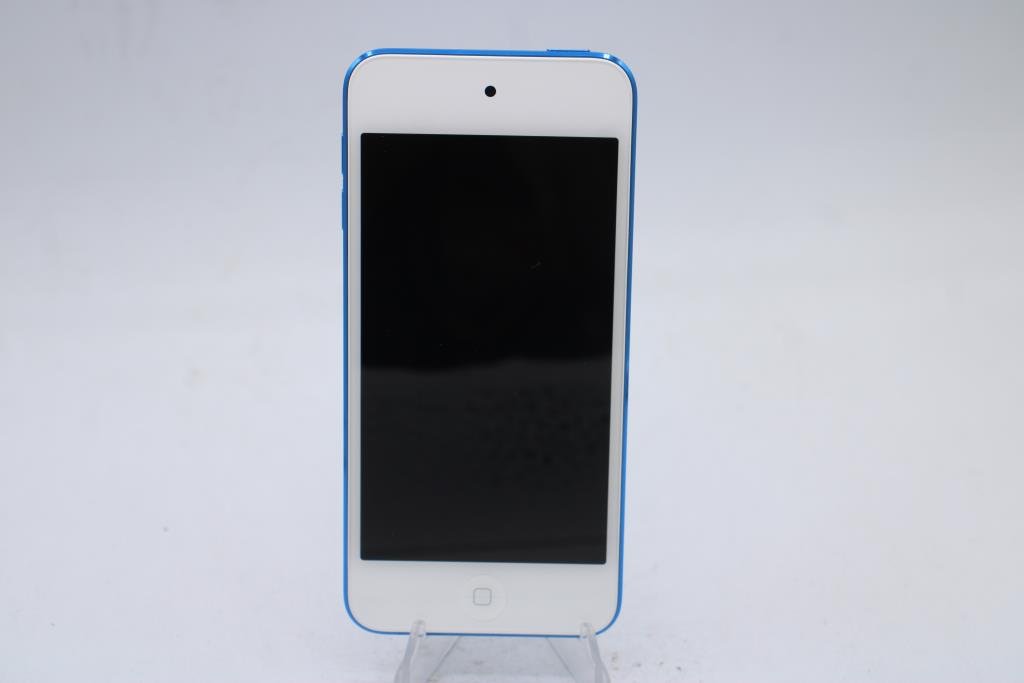
When the world was rapidly shifting towards smartphones, the iPod touch carved out a unique space: a dedicated media player offering the full iOS experience without the cellular commitment. Among its lineage, the 6th generation stands as a significant upgrade, packing impressive power into a familiar, sleek design. Understanding the iPod Touch 6th Gen Specifications & Features isn't just a trip down memory lane; it’s key to appreciating its capabilities then and its continued utility for specific niches today.
Released on July 15, 2015, this model arrived to much anticipation, fundamentally reimagining what an iPod touch could do by giving it a substantial internal overhaul. It offered a familiar form factor but with a performance boost that brought it closer to its iPhone siblings.
At a Glance: The iPod Touch 6th Gen Essentials
- Release Date: July 15, 2015
- Display: 4-inch Retina (1136x640 resolution at 326 ppi)
- Processor: A8 chip with M8 motion coprocessor
- RAM: 1 GB LPDDR3
- Storage Options: 16 GB, 32 GB, 64 GB, 128 GB
- Rear Camera: 8 MP iSight with LED flash, 1080p video
- Front Camera: 1.2 MP FaceTime HD, 720p video
- Connectivity: Wi-Fi 802.11a/b/g/n/ac, Bluetooth 4.1
- Initial OS: iOS 8.4 (Supports up to iOS 12.5.7)
- Colors: Space Gray, Gold, Silver, Hot Pink, Blue, Red
- Discontinuation: May 28, 2019
A Familiar Face with a Revitalized Heart
At first glance, the iPod touch 6th Gen might look nearly identical to its 5th-generation predecessor. Apple opted for design continuity, maintaining the slim, elegant aluminum "unibody" casing. The most notable external change was the subtle removal of the iPod Touch Loop button, streamlining its already minimalist aesthetic. This design decision meant it inherited the same pocket-friendly dimensions: 123.4 mm (height) x 58.6 mm (width) x 6.1 mm (depth), making it incredibly thin and light.
You could grab this device in a range of vibrant colors, each offering a distinct personality: classic space gray (paired with a black glass front), and bold options like gold, silver, hot pink, blue, and a striking red (all featuring white glass fronts). While the exterior felt largely the same, the real story lay beneath the surface. For a deeper dive into these nuanced differences, you might find our article comparing the 6th and 5th generation models particularly insightful.
The Display: Retina Clarity in Your Palm
The 6th Gen iPod touch featured a brilliant 4-inch (diagonal) widescreen multi-touch IPS "retina" display. This wasn't just any screen; it boasted a 1136x640 native resolution, translating to a crisp 326 pixels per inch (ppi). For its time, this resolution delivered sharp text and vibrant images, making movies, photos, and games look fantastic. With an 800:1 typical contrast ratio and a bright 500 cd/m2 typical brightness, colors popped, and details were easy to discern, even in moderately lit environments.
Under the Hood: A Major Performance Leap
This is where the iPod touch 6th Gen truly distinguished itself. Apple dramatically upgraded the internal architecture, transforming it from a respectable media player into a formidable gaming and app-running machine.
The A8 Processor and M8 Motion Coprocessor
At its core, the 6th Gen housed a 1.1 GHz dual-core A8 processor, built with 64-bit architecture. This was the same chip found in the iPhone 6 and 6 Plus, a significant upgrade from the A5 in the previous generation. What did this mean for you? Noticeably faster app loading, smoother multitasking, and the ability to run more demanding games and applications with ease.
Complementing the A8 was the M8 motion coprocessor. This dedicated chip efficiently handled motion data from the accelerometer and gyroscope without constantly engaging the main A8 processor. The result was improved battery life for fitness tracking apps and a more seamless experience in games that relied on motion input.
RAM and Storage: More Power, More Space
The device included 1 GB of LPDDR3 RAM, a double-up from the 5th Gen's 512 MB. This extra memory was crucial for handling today's more complex iOS apps and allowing you to switch between them without constant reloading.
Storage options saw a welcome expansion, catering to different user needs:
- 16 GB: The entry-level option, good for casual users.
- 32 GB: A sweet spot for many, balancing cost and capacity.
- 64 GB: Ample space for a decent music library, photos, and several apps.
- 128 GB: A first for an iPod touch, this massive capacity partially filled the void left by the discontinued iPod Classic. It allowed for an immense collection of music, videos, and photos – potentially up to 28,000 songs!
Beyond entertainment, the inclusion of a three-axis gyroscope and an accelerometer made the 6th Gen a capable device for AR (Augmented Reality) apps, motion-controlled games, and fitness tracking right out of the box.
Capturing Your World: Elevated Cameras
For many, the camera quality in an iPod touch wasn't just a bonus; it was a key feature. The 6th Gen significantly stepped up its game with dual cameras that offered impressive capabilities for its class. If you're looking to maximize your photography on this device, our guide on getting the most out of its cameras offers some excellent advice.
The 8-Megapixel iSight Rear Camera
The rear "iSight" camera was an 8-megapixel sensor with an f/2.4 aperture, a substantial upgrade from the 5th Gen's 5 MP camera. It featured an LED flash, allowing for better photos in low-light conditions. Video capabilities were equally impressive:
- 1080p HD video recording: At 30 frames per second (FPS), capturing clear, detailed footage.
- Slo-mo video: 120 FPS at 720p, perfect for dramatic slow-motion effects.
- Time-lapse video: Condensing long events into short, dynamic clips.
- Cinematic video stabilization: Helping to smooth out shaky footage.
- 3x zoom: For getting closer to the action.
These features made the iPod touch 6th Gen a surprisingly capable device for casual photography and videography, allowing you to capture memories in high quality without needing a separate smartphone.
The 1.2-Megapixel FaceTime HD Front Camera
For video calls and selfies, the front-facing "FaceTime HD" camera featured a 1.2-megapixel sensor with an f/2.2 aperture. It was capable of recording 720p HD video, ensuring clear video chats. Additional features like auto HDR, burst mode, and exposure control gave you more flexibility in capturing self-portraits and ensuring your video calls looked great.
Staying Connected: Wi-Fi, Bluetooth, and AirPlay
As a Wi-Fi-only device, robust wireless connectivity was paramount for the iPod touch 6th Gen.
Advanced Wireless Standards
It supported 802.11a/b/g/n/ac Wi-Fi, which meant it could connect to modern dual-band Wi-Fi networks (2.4 GHz and 5 GHz) for faster download and streaming speeds. This "ac" standard was a significant leap, ensuring a smoother experience when browsing the web, streaming videos, or downloading large apps.
Bluetooth 4.1 and AirPlay
Bluetooth 4.1 provided efficient and reliable connectivity for a wide range of accessories, from wireless headphones and speakers to fitness trackers. AirPlay support allowed you to wirelessly stream audio and video content from your iPod touch to compatible devices like Apple TV or AirPlay-enabled speakers, seamlessly extending your entertainment experience to the big screen or a multi-room audio setup.
The Software Experience: iOS, Apps, and End-of-Life
The heart of any Apple device is its software, and the iPod touch 6th Gen ran the full iOS experience, offering access to millions of apps.
Starting Point and Evolution
The device originally shipped with iOS 8.4, providing a modern, intuitive user interface and access to key Apple services like Siri, Music, Photos, and the App Store. Over its lifespan, it supported iOS versions 8 through 12. Its final compatible version was iOS 12.5.7, a security update released on January 23, 2023. This is important to note; for a more detailed breakdown, you can check out our article on the latest iOS versions for the 6th Gen iPod touch.
Software Limitations
While it enjoyed a long software support life, the iPod touch 6th Gen does not support iOS 13 or later. This means newer apps that require iOS 13 or higher will not run on this device. Additionally, certain features introduced in iOS 10, 11, and 12 that relied on specific hardware (like advanced camera features or certain AR capabilities) were not supported on the 6th Gen. For users today, this means checking app compatibility is crucial before downloading.
Syncing and Media Management
Syncing your iPod touch required iTunes (version 12.2+ for initial models, 12.3+ for later) running on a Mac (OS X 10.7.5+ or 10.8.5+ for later models) or a PC (Windows 7+). It utilized the Lightning connector for physical connection. Notably, the device did not offer a "disk mode" for simple drag-and-drop file transfers, a feature found in older, more basic iPods.
Battery Life: Powering Your Entertainment
The iPod touch 6th Gen was equipped with a non-removable 1,043 mAh lithium-ion polymer battery. Apple estimated it could deliver an impressive 40 hours of music playback or 8 hours of video playback. In real-world usage, however, battery life was often cited as middling, especially with heavy gaming or Wi-Fi use. The small form factor meant a smaller battery compared to iPhones, and the powerful A8 chip, while efficient, still drew considerable power during intensive tasks. Maximizing your device's uptime often comes down to savvy management, and you can learn more about optimizing your iPod touch's battery life through dedicated tips.
Your Personal Media Hub: Audio, Video, and Storage Capacity
At its heart, the iPod touch was always about media, and the 6th Gen was a highly capable digital entertainment center.
Supported Media Formats
It supported a wide array of audio, photo, and video formats:
- Audio: AAC (8 to 320 Kbps), Protected AAC (from iTunes Store), HE-AAC, MP3 (8 to 320 Kbps), MP3 VBR, Audible (formats 2, 3, 4, Audible Enhanced Audio, AAX, and AAX+), Apple Lossless, AIFF, and WAV.
- Photos: JPEG, PNG, GIF, TIFF.
- Video: H.264 video up to 1080p (30 FPS, Main Profile Level 4.1), MPEG-4 video up to 2.5 Mbps (640 by 480 pixels, 30 FPS, Simple Profile), Motion JPEG (up to 35 Mbps, 1280 by 720 pixels, 30 FPS).
This broad support ensured compatibility with most media you'd want to carry.
Estimated Song Capacity
The amount of media you could store depended heavily on the storage option chosen and the encoding quality. Based on Apple's estimate of 4 minutes per song at 128-Kbps AAC:
- 16 GB: Approximately 3,500 songs
- 32 GB: Approximately 7,000 songs
- 64 GB: Approximately 14,000 songs
- 128 GB: Approximately 28,000 songs
The 128 GB option, in particular, was a game-changer for serious music collectors, offering storage comparable to some external hard drives of its time, further solidifying its role as a portable media powerhouse.
What Came in the Box and Beyond
When you purchased an iPod touch 6th Gen, it came with the essentials to get you started:
- Apple EarPods (without remote or mic): A standard inclusion, offering decent audio quality.
- Lightning to USB Cable: For charging and syncing with your computer.
For those looking to expand their audio experience, the device was fully compatible with Apple AirPods and EarPods with Lightning Connector, offering modern wireless or wired options. You can explore more about finding compatible accessories to enhance your iPod touch experience.
Pricing and Its Place in the Market
Upon its release, the iPod touch 6th Gen was priced competitively:
- 16 GB: US$199
- 32 GB: US$249
- 64 GB: US$299
- 128 GB: US$399
Over time, these prices adjusted. On July 27, 2017, Apple discontinued the 16 GB and 64 GB configurations, shifting its pricing strategy to: - 32 GB: US$199
- 128 GB: US$299
The entire model line was eventually discontinued on May 28, 2019, making way for its successor.
Reception for the 6th Gen was largely positive, with praise for its significantly improved camera quality and robust performance thanks to the A8 chip. However, common criticisms included its middling battery life (especially under heavy use) and the increasingly small 4-inch display in an era of larger smartphone screens. Some saw it as redundant in a world dominated by iPhones and Android devices, while others lauded it as the absolute best option for a dedicated handheld media player for music, games, and apps without the commitment or cost of cellular service.
The Enduring Appeal of the 6th Gen iPod Touch
The iPod touch 6th Gen holds a significant place in Apple's portable device history. It successfully updated a beloved product line with modern performance while retaining its core identity as a media-centric device. Even today, for those who need a pocketable iOS device for music, specific apps, or as a secondary gadget without a phone contract, the 6th Gen can still be a viable, cost-effective option. Its robust internal specifications for its time, coupled with a beautiful Retina display and capable cameras, make it more than just a relic.
Whether you’re a long-time owner or curious about its capabilities, understanding these core specifications and features illuminates why the iPod touch 6th Gen continues to be a topic of interest. For an even deeper dive into everything this device offers, be sure to check out our complete guide to the iPod touch 6th Gen.